Character Design in Art Toys: From Concept to Collectible
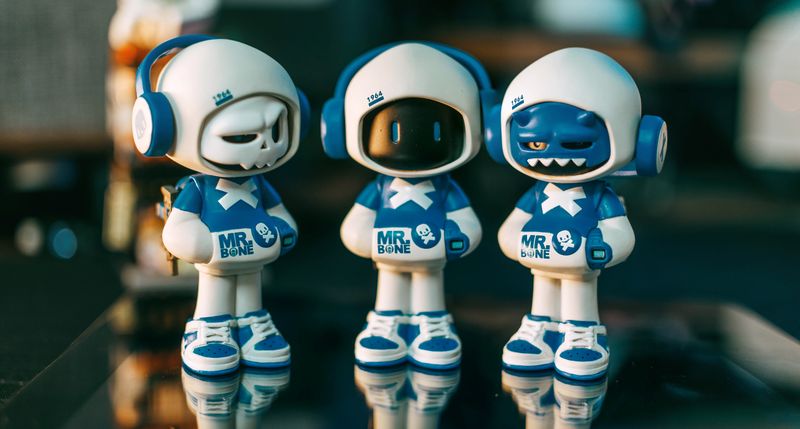
Character design is the beating heart of the designer toy industry. From initial sketch to finished collectible, the journey of a character like Lokiki from BaiChaoHui’s Zombie Party series involves multiple stages of creative decision-making. This guide explores how designer toy characters are conceived, developed, and brought to life as physical collectibles.
Concept and Ideation
The character design process begins with a core concept — an emotional hook or visual idea that defines the character’s identity. For BaiChaoHui’s Zombie Party universe, that concept is the fusion of monster aesthetics with party culture, creating characters that are simultaneously threatening and festive. The dark-cute approach allows for a wide range of character expressions within a consistent aesthetic framework.
Successful character design in art toys requires more than visual appeal. Characters need personality, backstory, and the potential for expansion. The best designer toy characters — like Lokiki — feel like they exist beyond the figure itself, as if they have lives and stories happening off-screen.
Sculpting and Prototyping
Once the concept is solidified, the character moves to sculpting. Modern designer toy production uses a combination of traditional and digital techniques. SLA and DLP resin printing enable highly detailed masters, while CNC machining creates crisp geometric parts. Hybrid workflows combine 3D-printed masters with urethane or silicone molding for clean, repeatable casts.
The sculpting phase determines how the character translates from 2D to 3D — decisions about proportions, texture, and material all happen here. For BaiChaoHui, this is where the dark-cute aesthetic gets refined into physical form, ensuring that each Zombie Party figure captures the intended emotional tone.
Material Selection
Material choices directly influence both the look and collectibility of art toys. Vinyl remains the dominant material for its ability to capture fine sculpt details and hold vibrant paints. Resin offers sharper details for limited editions. Designer plush provides tactile appeal that vinyl cannot match.
The 2026 trend toward sustainable materials is reshaping this process. Eco-conscious materials and low-VOC finishes are becoming standard choices rather than optional features. Studios are adopting local, sustainable materials to reduce carbon footprint and support transparent supply chains.
Paint and Finish
Paint application can make or break a designer toy. Collectors scrutinize photos for paint application, seam lines, and fidelity to prototype. High-quality finishes are easier to maintain and more desirable on the secondary market. The paint work on Zombie Party figures reflects BaiChaoHui’s commitment to production quality that matches the character design.
From Prototype to Production
The final stage involves translating the prototype into production figures. For blind box series, this includes determining rarity tiers, chase figures, and packaging design. The unboxing experience is a crucial part of the product — the packaging, the reveal, and the authentication elements all contribute to collector satisfaction.
BaiChaoHui integrates character storytelling into every stage of this process, ensuring that the Zombie Party blind box experience delivers not just a figure but a piece of an expanding universe. Each unboxing reveals a new character with a role in the Tang Meng Street narrative.